

How Can I Fix My Teeth
There comes a point when smiling in photos, enjoying your favorite foods, or simply looking in the mirror feels different than it once did. For many people, the question «How Can I Fix My Teeth?» becomes more than a passing thought—it marks the beginning of a decision to restore oral health, improve confidence, and invest in a healthier future.
The answer is rarely as simple as choosing one dental procedure. Teeth can become damaged for many reasons, including fractures, wear, tooth loss, large fillings, decay, or changes that occur gradually over time. Every smile reflects a unique combination of functional and aesthetic factors, which is why successful treatment begins with understanding the complete clinical picture rather than focusing on a single concern.
Modern restorative dentistry offers more possibilities than ever before. Advances in diagnostic technology and personalized treatment planning allow clinicians to identify the underlying causes of dental problems and recommend solutions designed specifically for each patient. Instead of applying the same treatment to every case, the objective is to restore comfort, function, and appearance while preserving as much healthy tooth structure as possible.

Understanding What Your Smile Really Needs
People often believe that fixing their teeth means correcting what they see in the mirror. While appearance is certainly important, a healthy smile depends on much more than straight, white teeth. Bite function, gum health, tooth stability, existing restorations, and the condition of the supporting bone all influence the way a smile performs over time.
Two patients may present similar cosmetic concerns while requiring completely different treatment plans. A chipped tooth may only need a conservative restoration in one patient, while another may have underlying structural damage that requires additional protection. Likewise, a missing tooth affects far more than aesthetics, influencing chewing efficiency, neighboring teeth, and the health of the surrounding jawbone.
This is why comprehensive diagnosis plays such an important role in modern dentistry. Understanding the biological causes behind visible dental problems allows clinicians to recommend solutions that improve both appearance and long-term oral health instead of addressing symptoms alone.

Every Smile Requires a Different Treatment Plan
No two smiles tell the same story. Lifestyle habits, previous dental work, age, oral hygiene, trauma, and genetics all contribute to the condition of a patient’s teeth. Because of these differences, successful rehabilitation cannot rely on standardized treatment plans or assumptions based solely on appearance.
Some patients require restorative procedures to strengthen weakened teeth, while others benefit from replacing missing teeth or improving smile harmony through aesthetic treatments. In many situations, achieving the best outcome involves combining different procedures within a carefully coordinated plan rather than selecting a single treatment.
This personalized philosophy allows clinicians to solve current concerns while protecting the long-term function of the entire mouth. Every recommendation should contribute to a healthier, more stable smile that continues to perform well for years after treatment is completed.
Preserving Healthy Tooth Structure Whenever Possible
One of the defining principles of contemporary restorative dentistry is conservation. Whenever a tooth can be preserved safely and predictably, maintaining the natural structure is generally preferable to replacing it. Healthy enamel and dentin continue to provide important biological and functional advantages that artificial materials cannot fully replicate.
This conservative philosophy also influences the way treatment is sequenced. Instead of immediately recommending extensive procedures, clinicians evaluate whether existing teeth can be strengthened, restored, or protected before considering more complex alternatives. Careful planning helps balance immediate needs with the patient’s long-term oral health objectives.
According to Dr. Pedro Ramírez, successful rehabilitation begins with understanding the patient’s complete clinical situation rather than selecting a procedure based on appearance alone. Every treatment recommendation should respect the biology of the mouth, preserve healthy structures whenever clinically possible, and contribute to lasting function as well as aesthetics. Patients interested in learning more about Dr. Pedro Ramírez’s professional background can visit his LinkedIn profile: https://www.linkedin.com/in/pedro-ramirez-515a4015a/.
Modern Technology Supports Better Clinical Decisions
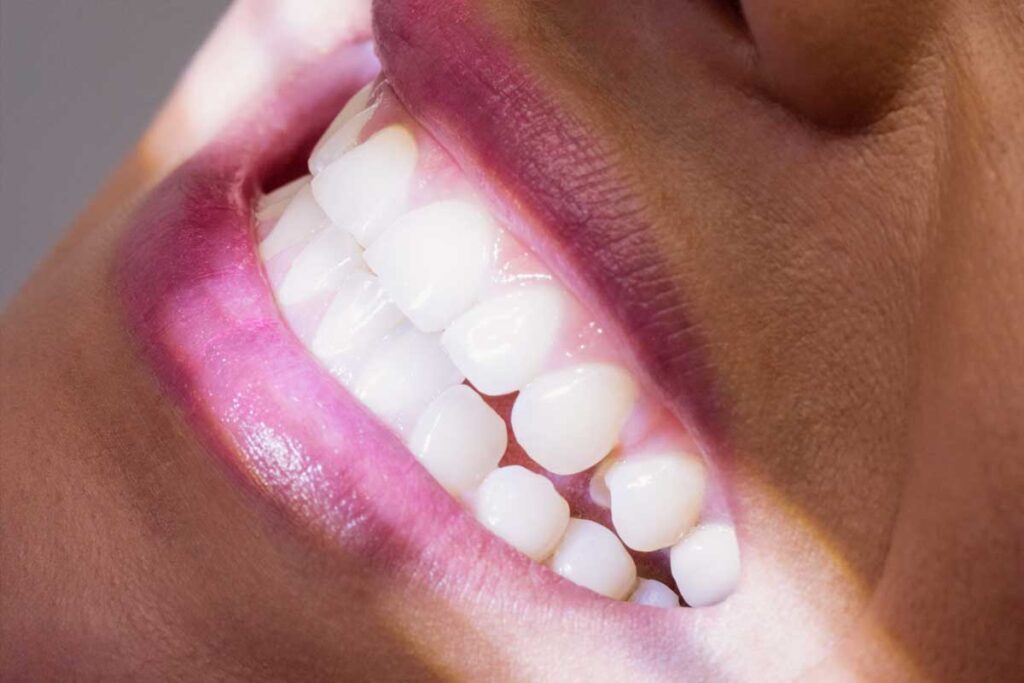
Advances in digital dentistry have significantly improved the way complex cases are evaluated and planned. High-resolution digital radiographs, intraoral photography, and CBCT imaging, when clinically indicated, provide clinicians with detailed information that supports more accurate diagnoses and personalized treatment recommendations.
Technology also improves communication between the dental team and the patient. Visualizing the condition of the teeth and surrounding structures makes it easier to explain why certain procedures may be recommended and how different treatments work together to restore long-term oral health. Instead of making decisions based on limited information, both the clinician and the patient can move forward with greater confidence and clarity.
When Strengthening Teeth Is the Best Solution
Not every damaged tooth needs to be replaced. Teeth that have been weakened by extensive decay, fractures, or large restorations can often be preserved when enough healthy structure remains. Protecting these teeth early may prevent more complex treatment in the future while maintaining their natural function.
In these situations, Dental Crowns provide an effective restorative option by covering and reinforcing the remaining tooth structure. Modern crowns are custom-designed to match the patient’s natural dentition, restoring strength, appearance, and chewing ability while protecting the tooth from additional damage.
Choosing the appropriate restoration depends on careful evaluation rather than appearance alone. The objective is to preserve natural teeth whenever they can continue functioning safely and predictably as part of the patient’s long-term treatment plan.
Replacing Missing Teeth to Restore Function
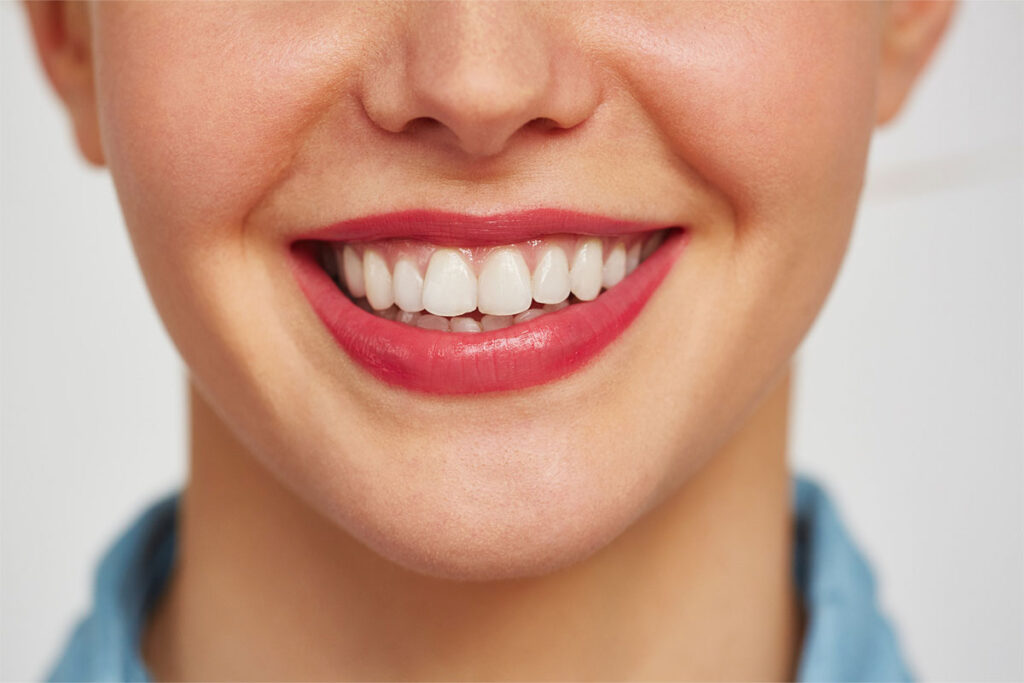
Living with one or more missing teeth affects far more than a smile. Everyday activities such as chewing, speaking, and maintaining a balanced bite become increasingly difficult over time, while neighboring teeth may begin to shift into the empty space. These changes can gradually influence overall oral function and complicate future restorative treatment.
When replacement is necessary, Dental Implants offer a solution that closely replicates the role of a natural tooth root. Because implants integrate with the jawbone, they help support surrounding structures while providing a stable foundation for the final restoration. This approach allows patients to recover both function and confidence through a treatment designed for long-term performance.
Every implant recommendation should be based on comprehensive diagnosis and careful planning. Evaluating bone quality, periodontal health, and restorative objectives helps ensure that treatment supports lasting oral health rather than simply replacing a missing tooth.
Restoring Confidence Through Cosmetic Dentistry
For many patients, the desire to improve a smile extends beyond repairing individual teeth. Years of wear, discoloration, uneven spacing, or previous dental work can affect overall smile harmony even when the teeth remain healthy. Addressing these concerns requires a personalized aesthetic approach that respects both facial characteristics and oral function.
At Nuvo Dental, Cosmetic Dental Services begin with understanding the patient’s goals before recommending any procedure. Digital photographs, smile analysis, and a comprehensive clinical evaluation help determine which treatments will create natural-looking improvements while maintaining comfort and function.
The objective is not to create identical smiles for every patient, but to design results that complement individual facial features and preserve long-term oral health. A successful smile enhancement should look balanced, feel comfortable, and remain functional in everyday life.
Conclusion
The question «How Can I Fix My Teeth?» does not have a universal answer because every smile presents different challenges and different opportunities for restoration. The most successful outcomes begin with understanding the complete clinical picture before recommending any treatment.
At Nuvo Dental, every rehabilitation plan is built around comprehensive diagnosis, personalized planning, and evidence-based decision-making. Whether treatment involves Dental Crowns, Dental Implants, or Cosmetic Dental Services, the goal is always the same: restoring a healthy, functional smile that looks natural and supports long-term oral health.
If you’re interested in our services, you can schedule an appointment with us right now and take the first step toward better dental health.
FAQS
Why is CBCT sometimes recommended before treatment?
Cone Beam Computed Tomography (CBCT) provides detailed three-dimensional images of the teeth, jawbone, nerves, and surrounding structures. When clinically indicated, it allows for more precise diagnosis and supports personalized treatment planning for complex restorative cases.
Are Dental Implants always necessary for missing teeth?
Not every patient requires implants, but they are considered one of the most effective long-term solutions for replacing missing teeth. A complete evaluation helps determine whether implant therapy is appropriate based on bone quality, oral health, medical history, and restorative goals.
When are Dental Crowns recommended?
Dental Crowns are commonly recommended for teeth that have lost significant structure due to decay, fractures, root canal treatment, or extensive restorations. Their purpose is to strengthen and protect the remaining tooth while restoring normal function and appearance.
Can damaged teeth be saved instead of extracted?
In many cases, yes. Teeth affected by fractures, decay, or large restorations can often be preserved if enough healthy structure remains. The decision depends on a detailed clinical examination and diagnostic imaging to determine whether the tooth can continue functioning predictably.
How do I know which treatment is right for fixing my teeth?
The appropriate treatment depends on the condition of your teeth, gums, bite, and supporting bone. A comprehensive evaluation allows your dentist to determine whether your smile would benefit from restorative treatment, cosmetic procedures, or a combination of both.