Full Mouth Dental Implants Near Me
Losing several teeth—or even an entire arch—changes much more than the way a smile looks. Everyday activities such as chewing, speaking clearly, and enjoying meals can become increasingly difficult, while confidence often declines over time. For many people, the decision to explore full mouth dental implants near me represents a turning point toward restoring both oral health and quality of life.
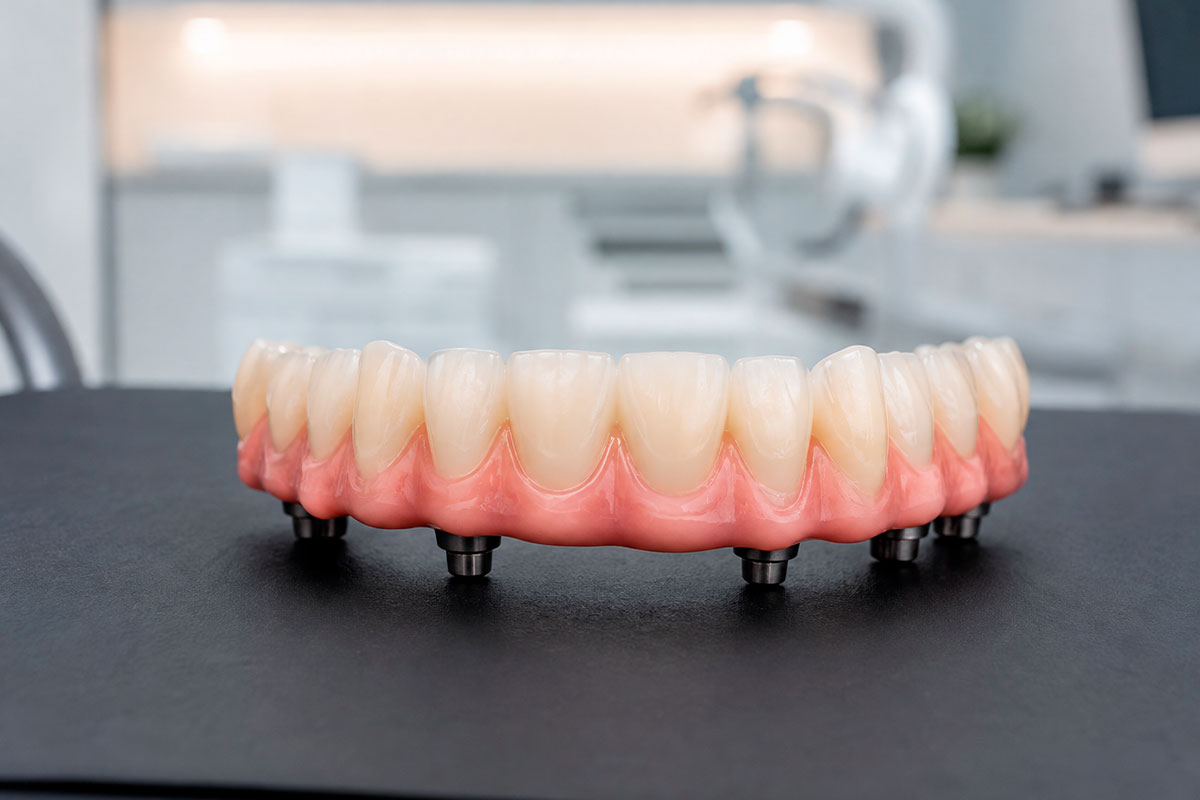
A full-mouth rehabilitation is one of the most comprehensive treatments in restorative dentistry. Rather than replacing teeth individually, the objective is to rebuild the function, stability, and appearance of the entire smile through a carefully planned approach. Every stage of treatment must be adapted to the patient’s anatomy, oral health, and long-term goals to achieve results that feel as natural as they look.
Modern implant dentistry has made this level of rehabilitation more predictable than ever. Advances in digital imaging, three-dimensional planning, and restorative techniques allow clinicians to evaluate complex cases with remarkable precision before treatment begins. Instead of relying on generalized protocols, every decision can be guided by detailed clinical information that supports safer procedures and more durable outcomes.

When Tooth Loss Affects More Than Your Smile
Many people associate missing teeth with cosmetic concerns, but the consequences extend much further. As teeth are lost, the remaining dentition begins to absorb additional chewing forces, neighboring teeth may gradually shift position, and the jawbone starts to remodel because it no longer receives stimulation from the natural tooth roots. These biological changes can affect bite stability, facial support, and overall oral function.
Replacing multiple missing teeth is therefore about restoring balance as much as appearance. A comprehensive rehabilitation seeks to recreate the natural relationship between the teeth, gums, jawbone, and bite, allowing patients to eat comfortably, speak with confidence, and maintain healthier oral structures over time.
Patients considering full mouth dental implants near me are often looking for a permanent alternative to removable prostheses or repeated restorative treatments. Understanding how a full-arch rehabilitation works helps them make informed decisions based on long-term health rather than temporary convenience.

Who Is a Candidate for Full Mouth Dental Implants?
Every patient presents a different clinical situation, which is why candidacy cannot be determined by the number of missing teeth alone. Some individuals have experienced extensive tooth loss due to periodontal disease, while others have teeth that are severely worn, fractured, or affected by multiple failing restorations. In each case, the goal is to determine whether preserving existing teeth or replacing them provides the most predictable long-term outcome.
A comprehensive evaluation allows clinicians to assess oral health before recommending treatment. Bone quality, periodontal condition, bite function, medical history, and the patient’s restorative expectations all influence how rehabilitation should be planned. This careful analysis helps ensure that treatment recommendations are based on clinical findings rather than assumptions.
For many patients, full-mouth implant rehabilitation offers the opportunity to restore chewing efficiency, improve speech, and recover the confidence that often diminishes after extensive tooth loss. However, achieving these benefits depends on selecting the appropriate treatment strategy for each individual rather than applying the same solution to every case.
How Digital Planning Improves Full-Arch Rehabilitation
Planning a full-mouth implant case involves much more than determining where implants will be placed. Every decision must consider the patient’s anatomy, bite dynamics, facial proportions, and the final position of the future teeth. Digital planning allows clinicians to evaluate these factors before treatment begins, reducing uncertainty and improving the predictability of the rehabilitation.
When clinically indicated, Cone Beam Computed Tomography (CBCT) provides a three-dimensional view of the jawbone, allowing the dental team to assess bone volume, density, sinus anatomy, and the location of important anatomical structures. Combined with digital radiographs and clinical examination, this information supports a treatment plan tailored to the patient’s specific needs rather than relying on standardized protocols.
Digital planning also improves communication throughout the rehabilitation process. By visualizing the desired restorative outcome in advance, clinicians can coordinate each phase of treatment with greater precision, helping ensure that implant placement supports both long-term function and natural-looking aesthetics.
Restoring Everyday Function and Quality of Life
The impact of full-mouth rehabilitation extends well beyond replacing missing teeth. Patients frequently report that eating becomes more comfortable, speech feels more natural, and everyday activities regain a level of confidence that had gradually been lost. These improvements are closely linked to restoring proper bite stability and supporting healthy oral function.
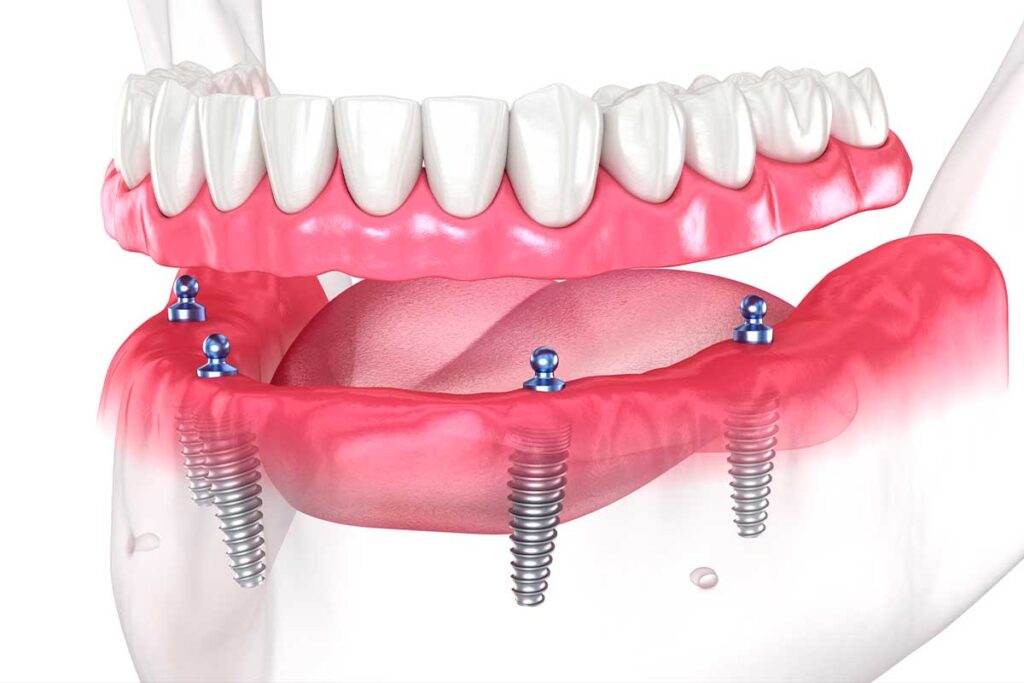
A well-planned implant rehabilitation also contributes to maintaining the underlying jawbone. Unlike removable prostheses, implant-supported restorations help transmit chewing forces to the bone, encouraging the stimulation that naturally occurs around healthy tooth roots. Preserving this support plays an important role in maintaining facial structure and long-term oral stability.
For many individuals exploring comprehensive tooth replacement, understanding these biological and functional benefits is just as important as the cosmetic improvements. A healthy smile should perform comfortably in daily life while providing results that remain stable for years.
Full-mouth rehabilitation Philosophy
Every full-mouth rehabilitation presents unique clinical challenges, which is why treatment should never begin with a predetermined solution. At Nuvo Dental, every case starts with a detailed evaluation designed to understand the patient’s oral health, functional needs, and long-term expectations before recommending any procedure.
According to Dr. Pedro Ramírez, successful rehabilitation depends on carefully balancing biology, function, and aesthetics throughout every stage of treatment. His approach emphasizes preserving healthy tissues whenever possible while developing individualized restorative plans that respect each patient’s anatomy and create natural, long-lasting results.
This comprehensive methodology allows treatment decisions to be guided by clinical evidence rather than assumptions, helping patients move forward with confidence as they restore both their smile and their oral health.
Planning Before Surgery Makes a Difference
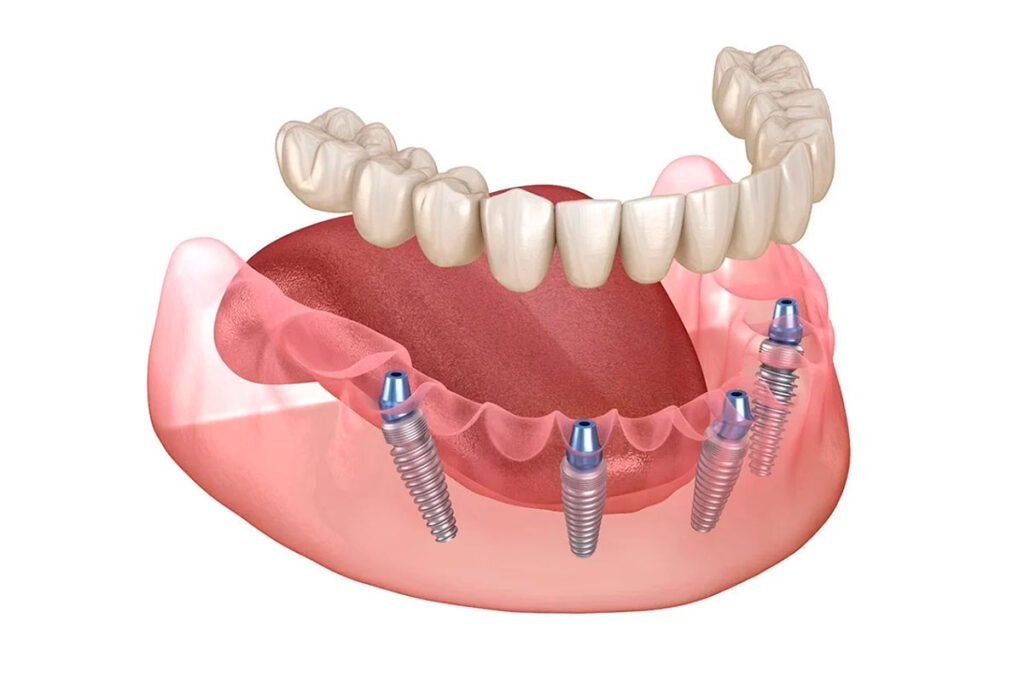
Successful rehabilitation is built on preparation. Every implant must support the final restoration while working harmoniously with the patient’s bite and facial characteristics. This requires careful coordination between diagnosis, restorative planning, and surgical execution instead of treating each phase as an isolated procedure.
According to Dr. Pedro Ramírez, restoring an entire smile requires understanding the patient’s biology, functional needs, and long-term expectations before selecting any treatment. Careful planning allows clinicians to preserve healthy structures whenever possible while designing implant-supported restorations that provide comfort, durability, and natural aesthetics. Patients interested in learning more about Dr. Pedro Ramírez’s professional background can visit his LinkedIn profile: https://www.linkedin.com/in/pedro-ramirez-515a4015a/.
This patient-centered philosophy allows every rehabilitation to be developed around objective clinical findings, creating treatment plans that are individualized rather than standardized.
Conclusion
Choosing full mouth dental implants near me is an important decision that goes far beyond replacing missing teeth. A successful rehabilitation requires detailed diagnosis, precise planning, and a treatment strategy designed around the patient’s unique oral health needs rather than a one-size-fits-all approach.
At Nuvo Dental, comprehensive evaluations, advanced digital technology, and personalized restorative planning work together to create implant solutions focused on long-term function, comfort, and natural aesthetics. Every rehabilitation is developed with the goal of helping patients regain confidence while restoring a healthy, stable smile that supports everyday life.
If you’re interested in our services, you can schedule an appointment with us right now and take the first step toward better dental health.
FAQS
Can full-mouth dental implants improve chewing and speech?
Yes. Implant-supported restorations are designed to improve bite stability and restore proper chewing efficiency while helping many patients speak more comfortably than they could with missing teeth or unstable removable dentures. Individual results depend on the patient’s oral condition and treatment plan.
How long does full-mouth implant treatment take?
Treatment time varies depending on each patient’s clinical condition, healing response, and whether additional procedures such as bone grafting are required. During the initial consultation, your dentist will explain each phase of the rehabilitation process and provide a personalized treatment timeline.
Why is CBCT important before full-mouth implant treatment?
When clinically indicated, CBCT provides three-dimensional images that allow clinicians to evaluate bone volume, bone density, sinus anatomy, and nearby anatomical structures. This information supports safer treatment planning and helps position implants according to the patient’s individual anatomy.
Who is a good candidate for full-mouth implant rehabilitation?
Candidates are typically individuals who have lost multiple teeth or have remaining teeth that cannot be predictably restored. A complete clinical evaluation, including digital imaging and periodontal assessment, is necessary to determine whether implant rehabilitation is the most appropriate option.
What are full mouth dental implants?
Full-mouth dental implants are a comprehensive restorative solution designed to replace most or all missing teeth using strategically placed implants that support a complete fixed restoration. Treatment is personalized according to each patient’s oral health, bone condition, and functional needs.