
Smile Makeover in Orlando 2026
When people begin researching a Smile Makeover in Orlando, many already have a procedure in mind. They may be considering veneers because they dislike the shape of their front teeth, whitening because their smile appears darker in photographs, or clear aligners because certain teeth seem out of position. Yet choosing a cosmetic procedure before understanding the entire smile can place treatment ahead of diagnosis.
A well-planned smile makeover begins with a different question: what actually needs to change? Teeth are part of a larger visual and functional system that includes the lips, gums, facial proportions, bite, existing restorations, natural tooth structure, and the way the smile moves during speech and expression. Evaluating those relationships can help create a treatment plan that feels individualized rather than built around a standardized image of an “ideal” smile.
At Nuvo Dental in Orlando, this approach fits naturally within personalized cosmetic dentistry. Dr. Pedro Ramirez, founder of Nuvo Dental and a Doctor of Dental Medicine with continuing education in cosmetic dentistry, evaluates cosmetic concerns in the context of each patient’s goals and clinical condition.
A Smile Makeover Should Begin Before Any Tooth Is Changed
A smile makeover is sometimes described as a combination of procedures, yet that description leaves out the most important stage: planning. Whitening, bonding, veneers, orthodontic treatment, gum contouring, and restorative dentistry are treatment tools. They become meaningful only after a dentist has identified the aesthetic and clinical problem they are intended to address.
Consider a patient who believes the front teeth are too short. The appearance could be related to tooth wear, tooth proportions, excessive gingival display, lip position, tooth alignment, or a combination of factors. Placing restorations without identifying the underlying reason could produce a very different result from one based on a complete evaluation.
The same principle applies to color, spacing, asymmetry, tooth position, and uneven contours. A detailed examination allows the dentist to determine whether a concern can be managed conservatively or whether a more comprehensive plan is indicated. This distinction is particularly important when treatment may involve permanent changes to natural tooth structure.
What Dentists Evaluate When Designing a Smile
Facial analysis in cosmetic dentistry is broader than measuring the width and length of teeth. The dentist studies how dental structures relate to the surrounding features while the patient is at rest, smiling, and speaking. This can provide information that a close-up photograph of the teeth alone cannot capture.
A cosmetic evaluation may consider:
- Tooth display and lip movement: how much of the teeth are visible at rest and during a full smile, along with the relationship between the incisal edges and the lower lip.
- Dental proportions and midline: the relative dimensions of visible teeth and how the dental midline relates to the face, while recognizing that perfect geometric symmetry is not required for a natural appearance.
- Gingival architecture: the contour, level, symmetry, and health of the gum tissue surrounding the visible teeth.
- Smile dynamics: how the lips, cheeks, and teeth interact during a spontaneous smile rather than relying exclusively on a static photograph.
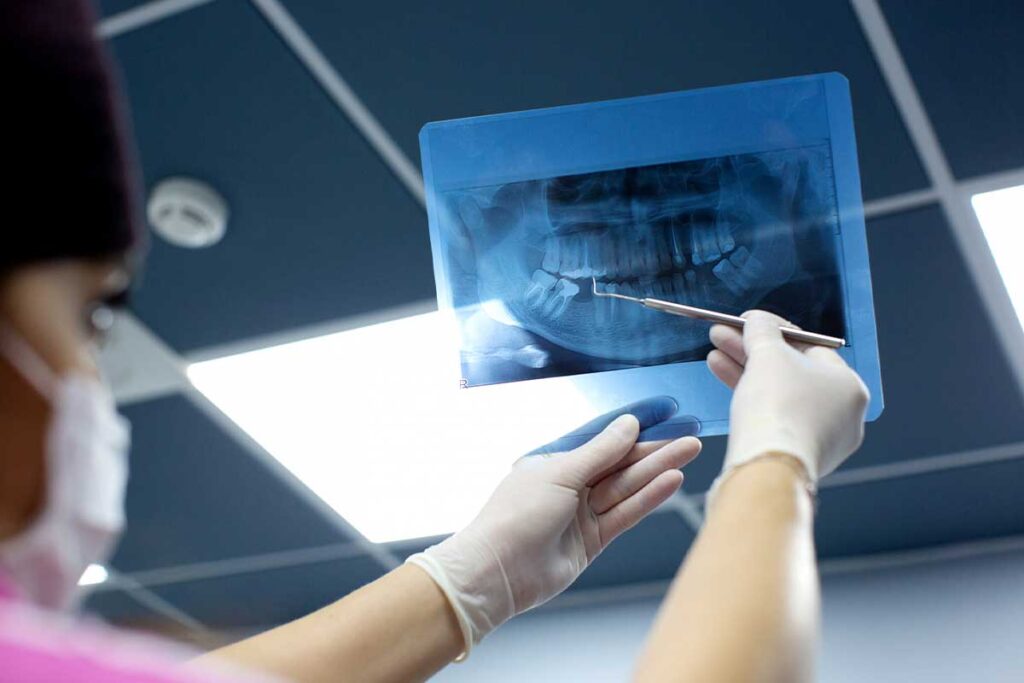
- Existing tooth structure and function: enamel condition, previous restorations, bite relationships, wear patterns, fractures, alignment, and other findings that may influence treatment selection.
Tooth Display and Lip Movement Can Change the Entire Treatment Plan
The amount of tooth visible during a smile can influence how dimensions are perceived. A tooth that appears short may have a different clinical explanation depending on the relationship between its visible crown, the surrounding gum tissue, and the position of the lips.
Movement matters as well. A photograph captures a fraction of a second, while people experience a smile during conversation, laughter, and facial expression. Evaluating dynamic movement can therefore provide useful information when determining tooth length, incisal position, and the overall relationship between the teeth and lips.
This is one reason copying a smile from a photograph is rarely a meaningful treatment objective. A shape that complements one person’s facial proportions may appear unnatural when transferred directly to another individual.
Dental Proportions Are Guidelines, Not a Template
Cosmetic dentistry often uses measurements and proportional relationships to organize treatment planning. These principles can help a dentist analyze width-to-length relationships, symmetry, visible tooth distribution, and other features, but numbers do not determine the final treatment by themselves.
Natural smiles contain individual variations. Slight differences between corresponding teeth, changes in texture, subtle color gradients, and facial asymmetry are part of human anatomy. A clinically informed makeover should account for those characteristics rather than automatically removing every visible variation.
The American Academy of Cosmetic Dentistry has published material addressing natural and facially driven designs, interdisciplinary planning, digital smile workflows, and minimally invasive veneer treatment. This broader clinical perspective supports the idea that cosmetic treatment should be designed around the patient rather than around a single standardized dental form.
Digital Smile Design and AI in 2026
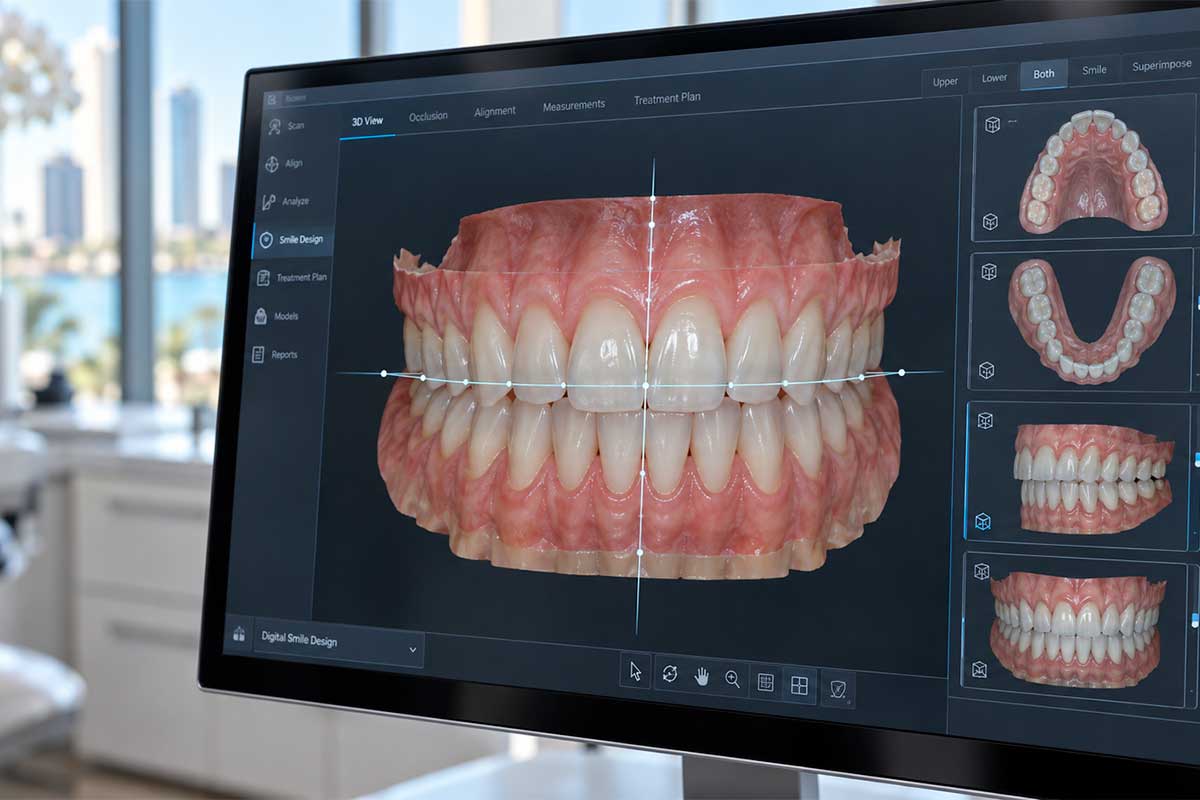
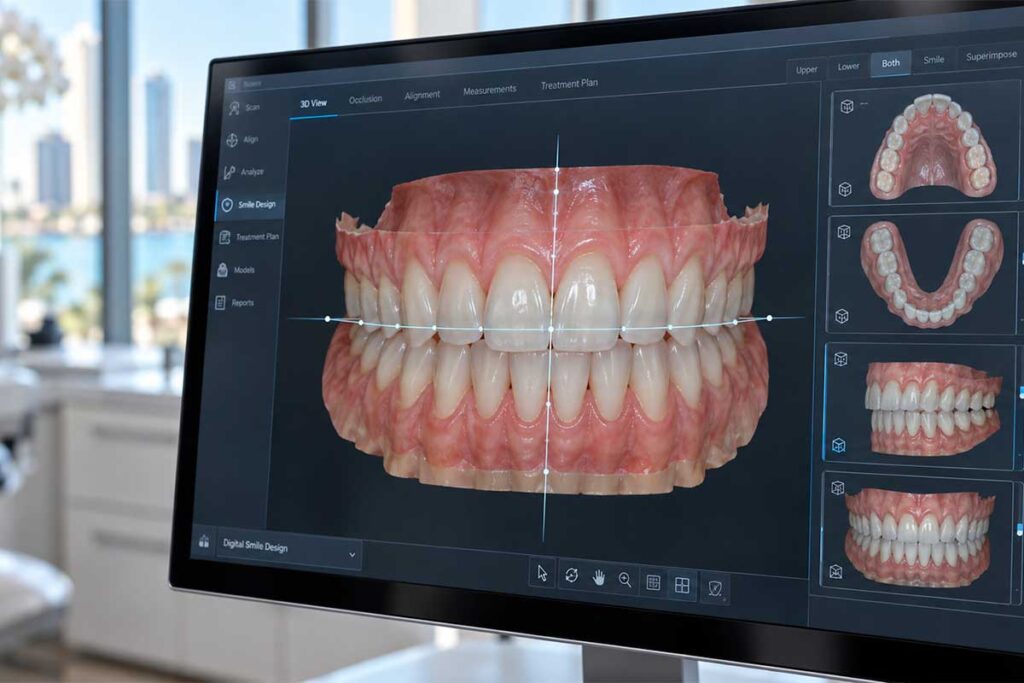
Digital technology has changed how dentists and patients can communicate about cosmetic treatment. Photographs, digital scans, 3D information, and smile-design software can make proposed changes easier to visualize before treatment begins. Nuvo Dental describes the use of 3D imaging and digital smile design within its cosmetic services and emphasizes customized planning based on patient goals, preferences, and facial features.
Artificial intelligence is becoming part of this digital environment. Some systems can analyze facial images, suggest dental proportions, create simulations, or accelerate portions of the design workflow. These tools can make planning more efficient and can give patients another way to understand possible aesthetic directions.
Current research, however, shows why digital visualization should be interpreted as a planning aid rather than a clinical verdict.
What 2026 Research Tells Us About AI-Assisted Smile Design
A study published in the Journal of Dentistry in April 2026 compared conventional digital smile designs based on facial analysis with AI-generated designs. Ten patient cases were evaluated by 150 participants, including dentists, dental students, and laypeople. In nine of the ten cases, the manually planned designs received higher aesthetic ratings. The researchers concluded that AI could streamline the process but had not replaced individualized planning and professional judgment.
A systematic review published in August 2026 provides a useful counterbalance. The review found encouraging results for AI-assisted systems in areas such as measurement accuracy, shade recommendations, and workflow efficiency. Yet the evidence consisted of nine studies, no randomized controlled trials were identified, and results concerning aesthetic preference and patient satisfaction remained inconsistent. The authors described these systems as useful additions to prosthodontic workflows while emphasizing the preliminary nature of the available evidence.
Planning a Smile Makeover in Orlando
Choosing a Smile Makeover in Orlando should involve more than deciding how white, straight, or symmetrical the teeth should become. The quality of the planning process influences which procedures are recommended, how much natural structure may be altered, and whether different treatment options deserve consideration.
For patients seeking subtle refinements, facial analysis can help identify which details have the greatest visual impact. For patients considering a broader transformation, the same analysis can help organize treatment into a sequence that respects existing anatomy and oral health.
Nuvo Dental’s Cosmetic Dental Services are designed around customized planning rather than a fixed makeover package. Patients can discuss their aesthetic goals, review the condition of their smile, explore appropriate treatment alternatives, and understand how digital tools may support the planning process.
A cosmetic consultation is therefore less about choosing a procedure immediately and more about obtaining enough clinical information to make an informed decision. When the diagnosis comes first, technology, materials, and cosmetic techniques can be used with a clearer purpose.
If you’re interested in our services, you can schedule an appointment with us right now and take the first step toward better dental health.
FAQS
How long does a smile makeover take?
There is no universal timeline. Professional whitening or selected bonding procedures may require relatively few appointments, while orthodontic treatment or multi-stage restorative plans can require a longer period. Treatment length depends on the procedures involved, oral health, healing requirements, and whether different stages need to occur in sequence.
What is conservative cosmetic dentistry?
Conservative cosmetic dentistry aims to achieve an aesthetic improvement while preserving healthy natural tooth structure whenever the clinical situation allows it. Examples may include whitening, direct bonding, orthodontic movement, selective restorations, or minimally invasive restorative approaches. The most conservative option still needs to satisfy functional, biological, and aesthetic requirements.
Can AI design my new smile?
AI-assisted software can help analyze images, generate simulations, and accelerate parts of the digital design process. Current evidence suggests these systems can be useful tools, while clinical judgment remains important for diagnosis, case selection, biological considerations, function, and treatment decisions. A digital proposal should therefore be reviewed in the context of a complete dental evaluation.
Does a smile makeover always require veneers?
No. Veneers are one possible treatment for selected cosmetic concerns, but they are not appropriate or necessary for every patient. Whitening, bonding, clear aligner therapy, gum contouring, restorative care, or a combination of treatments may be considered depending on the diagnosis and desired changes.
Why is facial analysis important before a smile makeover?
Facial analysis helps the dentist understand how the teeth relate to the lips, gums, facial proportions, midline, tooth display, and smile movement. This context can influence tooth length, shape, position, and the type of cosmetic treatment recommended. It helps move planning away from a standardized smile template toward decisions based on the individual patient.