
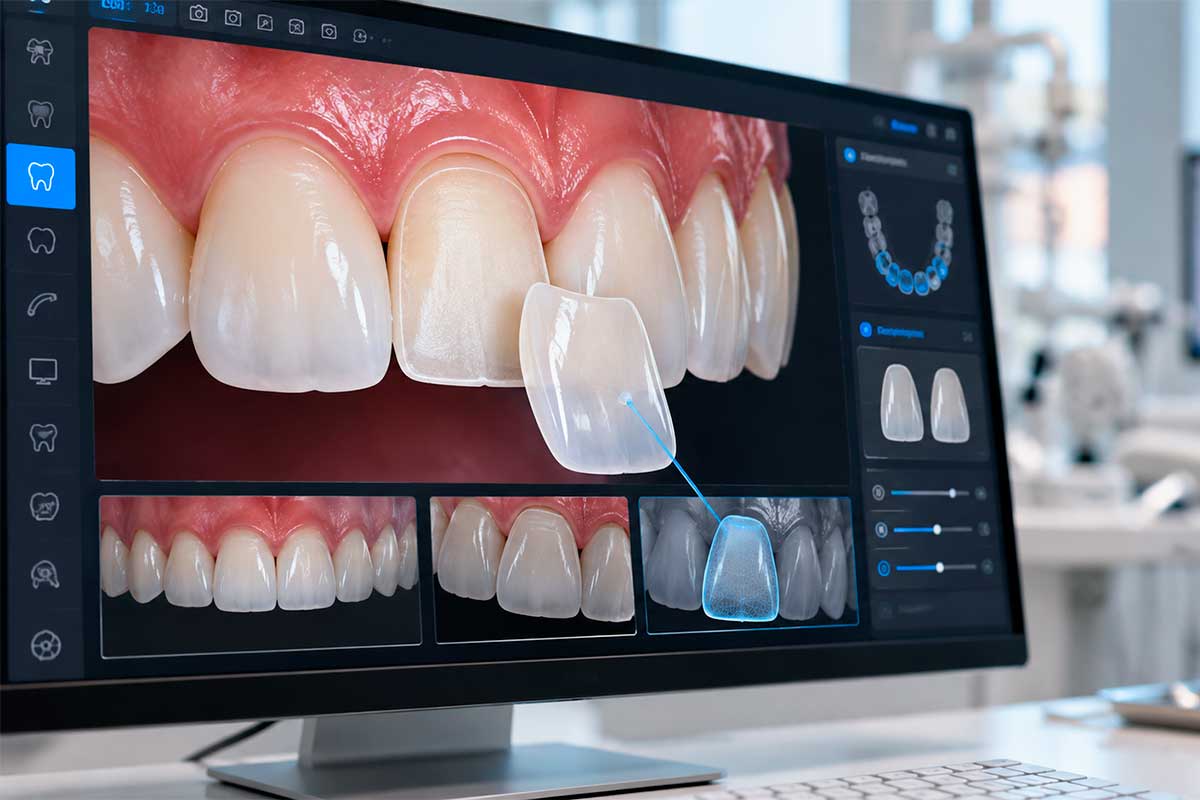
Enamel Preserving Veneers
One of the most common concerns patients have before considering veneers is simple: “Will my natural teeth have to be shaved down?” The answer depends on the position, shape, color, enamel condition, bite, and aesthetic goals of each patient. Modern cosmetic dentistry increasingly emphasizes preservation of healthy tooth structure, which has made enamel preserving veneers an important option in carefully selected cases.
This approach does not mean every veneer can be placed without modifying the tooth. Minimal-preparation treatment works best when the desired cosmetic change can be created while maintaining enough space for a restoration that looks natural and functions correctly. Some patients may require only selective enamel modification, while others need more preparation or a different treatment altogether.
At Nuvo Dental in Orlando, Dr. Pedro Ramirez approaches cosmetic treatment through individualized planning rather than applying one veneer technique to every smile. Nuvo identifies Dr. Ramirez as its founder and Doctor of Dental Medicine, and the practice already emphasizes customized cosmetic treatment based on patient goals, facial characteristics, and clinical findings.
Do Veneers Always Require Removing Tooth Structure?
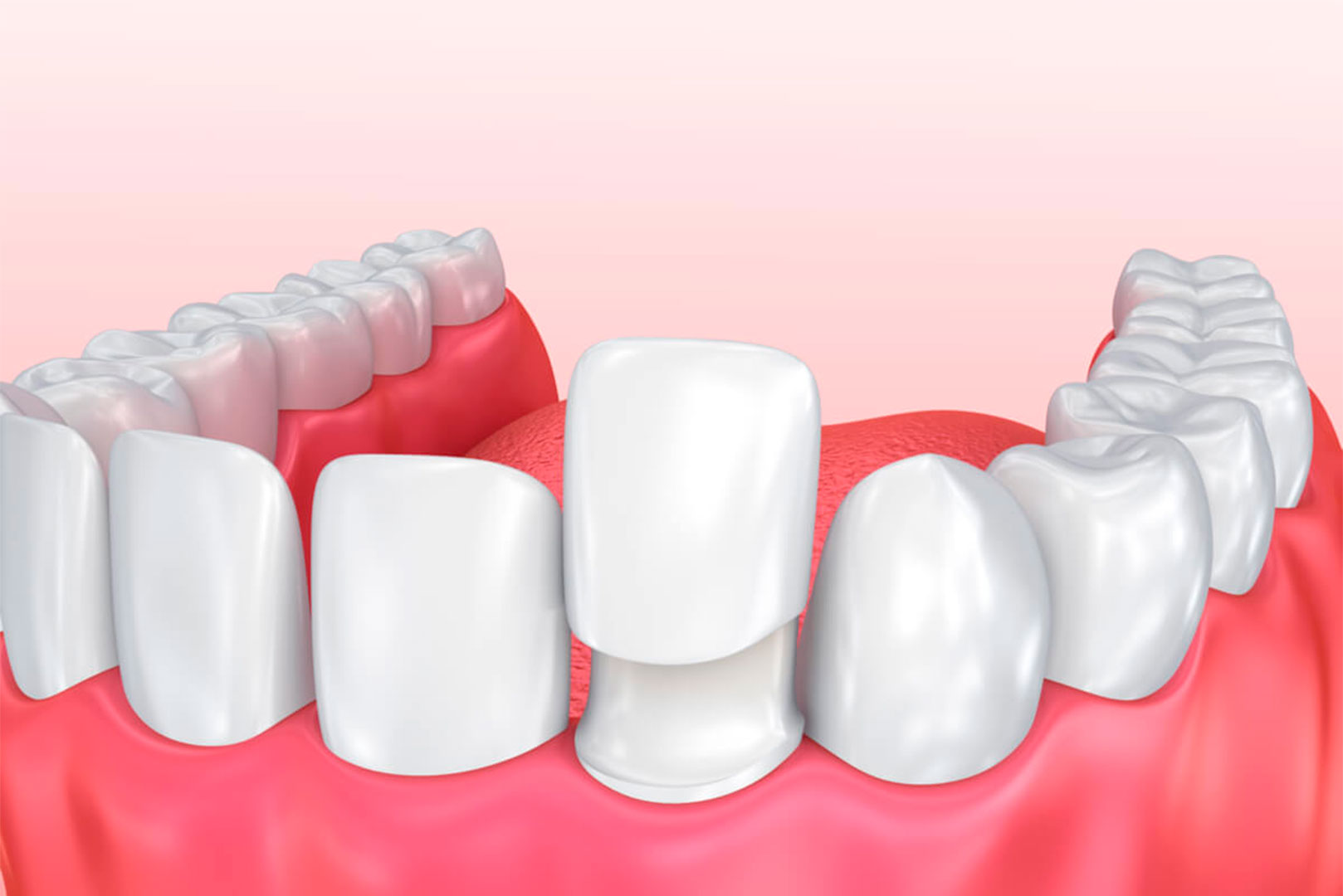
Veneer preparation exists on a spectrum. At one end are selected no-prep cases in which little or no tooth reduction may be necessary. Minimal-prep treatment may involve carefully modifying specific areas of enamel to create space, refine contours, establish appropriate margins, or improve the final restorative shape.
Traditional veneer preparation may require greater reduction when the tooth projects too far outward, carries an existing restoration, has significant discoloration, or requires a substantial change in shape. The amount of preparation should reflect the problem being treated rather than a predetermined veneer philosophy.
This distinction is especially important because an extremely thin restoration placed over a tooth without sufficient space can create excess bulk. The result may appear over-contoured or interfere with natural emergence from the gumline. Conservative treatment therefore means removing as little healthy structure as clinically appropriate, rather than refusing all preparation regardless of anatomy.
What Are Enamel Preserving Veneers?
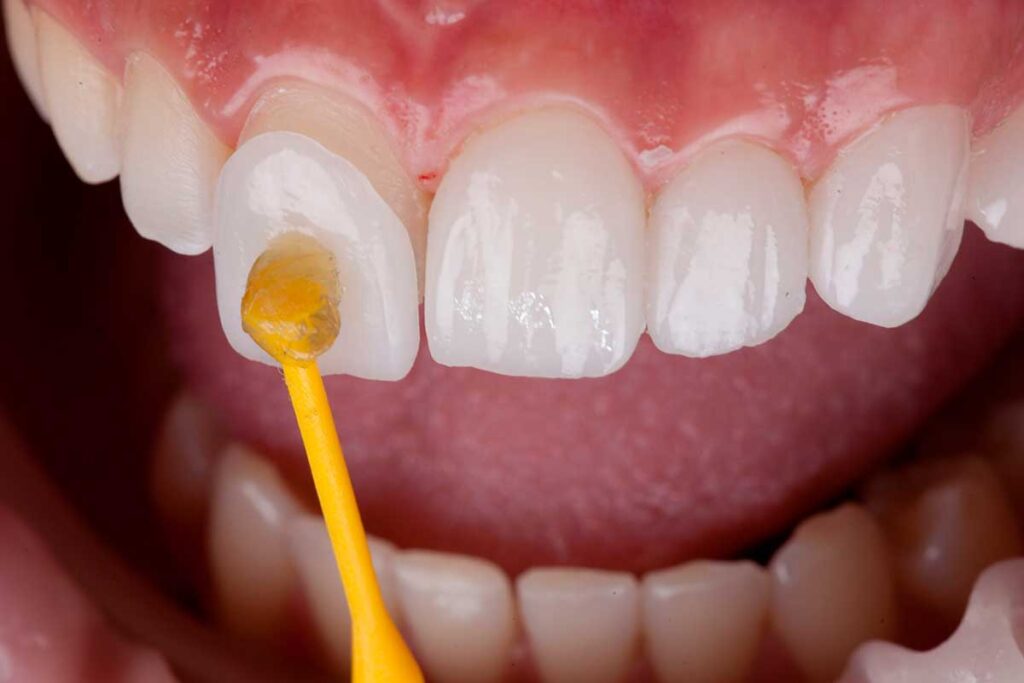
The term enamel preserving veneers describes an approach in which treatment planning is designed to retain as much healthy enamel as possible while still creating enough restorative space for a predictable aesthetic result. Depending on the case, the dentist may use a minimal-prep, ultrathin, additive, or selectively prepared veneer design.
The concept is closely connected to adhesive dentistry. Ceramic veneers depend on bonding procedures for retention, and preserving enamel can provide a favorable bonding substrate. A 2026 review of lithium-disilicate veneers emphasized enamel preservation, conservative tooth preparation, case selection, adhesive technique, and occlusal risk management as important contributors to clinical performance.
Preservation should still be considered within the full restorative plan. A veneer that preserves enamel but produces an unnatural contour, fails to mask a severe discoloration, or creates an unfavorable bite is not automatically a better treatment. Biological preservation, aesthetics, function, and long-term maintenance all have to be considered together.
Why Preserving Enamel Matters in Veneer Treatment
Enamel is the highly mineralized external layer of the natural tooth and plays a particularly important role in adhesive veneer treatment. When a dentist can maintain substantial enamel around the preparation, the restoration can often be bonded primarily to this stable surface rather than to deeper dentin.
Clinical research continues to support a conservative direction. A 2026 prospective study comparing prepless and minimally invasive ceramic veneers found favorable short-term outcomes with both approaches. The minimally invasive group experienced fewer complications, while the authors emphasized that proper case selection and occlusal management remain essential.
A separate 2026 review comparing no-preparation and conventional veneers described enamel preservation as an important advantage of conservative approaches while also cautioning that no-prep treatment is not appropriate for every case, particularly when significant discoloration, misalignment, or morphological changes are present.
Enamel and Adhesive Bonding
Adhesive procedures allow modern veneers to function with much less mechanical retention than older restorative concepts required. When sufficient enamel is available, careful surface conditioning and resin bonding can create a strong relationship between the ceramic restoration and the tooth.
This is one reason preparation planning matters before a bur ever touches the tooth. The goal is to determine where space is actually needed, which areas can remain untouched, and how the final ceramic thickness will affect color, contour, strength, and bonding.
Why Unnecessary Dentin Exposure Should Be Avoided
Dentin is a normal and important part of tooth anatomy, but it behaves differently from enamel during adhesive procedures. Excessive preparation can expose larger areas of dentin and reduce the amount of enamel available for bonding.
That does not mean any dentin exposure represents treatment failure. In many cases, a clinically appropriate veneer preparation may include some dentin. The relevant question is whether the amount of preparation is justified by the aesthetic and structural requirements of the case.
Minimal Prep vs No Prep Veneers: What Is the Difference?
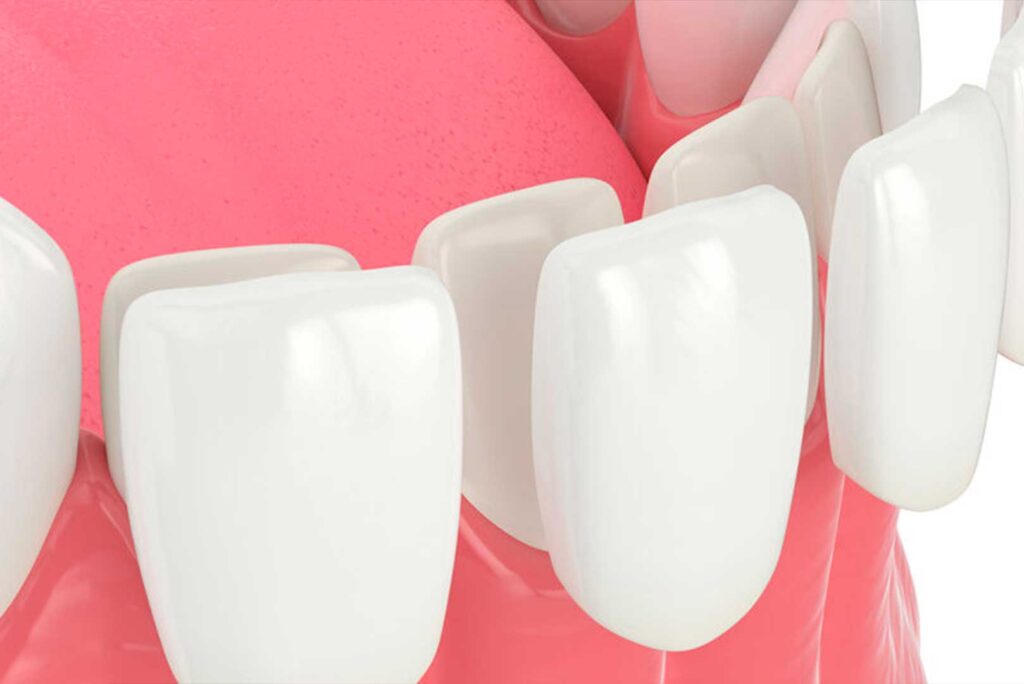
“No-prep” and “minimal-prep” are often treated as interchangeable terms online, but they describe different clinical approaches. A true no-prep concept aims to place the veneer with essentially no reduction of natural tooth structure. Minimal-prep treatment allows selective enamel modification where needed to create appropriate space or improve the restorative design.
A 2026 systematic review reported encouraging outcomes for no-prep veneers, although only four studies met the review’s inclusion criteria. The authors described favorable survival and enamel preservation while acknowledging the limited evidence base.
The more useful question for a patient is therefore not whether “zero shaving” can be promised. It is how much preparation the specific tooth needs to achieve an appropriate contour, stable bonding, natural appearance, and functional result.
A minimal-prep approach may sometimes be more conservative in practical terms than forcing a no-prep restoration onto a tooth that lacks restorative space. Small, carefully planned enamel adjustments can prevent the final veneer from looking bulky or interfering with the gumline.
Can Orthodontics Reduce the Amount of Tooth Preparation?
In selected patients, yes. Tooth position has a direct influence on how much restorative space is available. A tooth that sits too far toward the lips may require significant reduction if veneers are used to correct its apparent position restoratively.
Orthodontic movement can sometimes reposition those teeth before cosmetic treatment. Once alignment improves, the dentist may be able to use a more additive veneer design or avoid veneering certain teeth entirely.
This type of interdisciplinary planning is especially valuable for patients who want substantial aesthetic changes while preserving healthy structure. It may require more time than immediately preparing teeth for veneers, but treatment duration is only one factor in a long-term cosmetic decision.
What to Expect During a Veneer Consultation at Nuvo Dental
A veneer consultation should begin with the patient’s concern rather than a predetermined number of restorations. Someone may dislike a small gap, uneven proportions, tooth wear, discoloration, or several features at the same time. Understanding the objective helps determine whether veneers are the most appropriate path.
During a cosmetic evaluation, Dr. Pedro Ramirez can assess factors such as:
Tooth position, shape, proportions, enamel condition, previous restorations, and the amount of restorative space available.
Gum health, smile relationships, bite conditions, wear patterns, and functional risks that could influence treatment.
Whether whitening, bonding, orthodontics, Dental Veneers, or a combination of treatments could meet the patient’s goals while preserving healthy structure.
How much enamel modification may realistically be required and whether the proposed treatment can remain primarily within enamel.
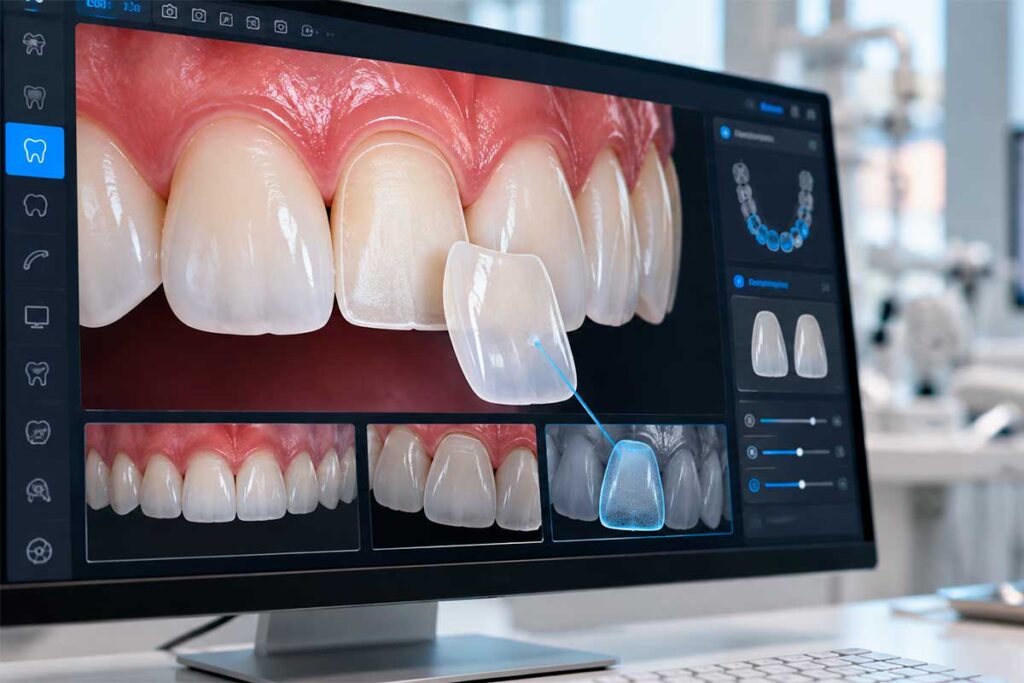
Whether digital scans, diagnostic designs, or mock-ups would help visualize the intended result before definitive preparation.
This discussion gives patients a more meaningful basis for consent. Instead of simply asking how many veneers are needed, they can understand which teeth may benefit from treatment, how conservative the preparation can be, and what alternative paths exist.
Choosing Dental Veneers in Orlando
Patients exploring Dental Veneers in Orlando increasingly arrive with questions about natural tooth preservation. That is a positive shift because cosmetic dentistry involves irreversible decisions, and the amount of healthy structure modified during treatment deserves careful consideration.
Nuvo Dental already offers veneers as part of its cosmetic services and identifies Dr. Ramirez as the practice’s founder. Its existing content also emphasizes individualized smile planning rather than a standardized approach to cosmetic treatment.
For a patient interested in enamel preserving veneers, the objective of the consultation should be to determine whether the desired change can be achieved conservatively and predictably. Some patients may be candidates for extremely limited preparation, while others may benefit from alignment, whitening, bonding, more traditional veneer preparation, or another treatment sequence.
If you’re interested in our services, you can schedule an appointment with us right now and take the first step toward better dental health.
FAQS
Can I get minimal-prep veneers if my teeth are crooked?
It depends on the degree and direction of misalignment. Mild discrepancies may sometimes be incorporated into cosmetic planning, while significantly protruded or rotated teeth may benefit from orthodontic movement before veneers. Correcting position first can sometimes reduce the amount of tooth preparation required later.
Can veneers be bonded directly to enamel?
Yes. Ceramic veneers can be adhesively bonded to enamel using established conditioning and resin-based bonding protocols. Preserving enamel is one reason conservative veneer preparation is attractive when the case allows it.
Are enamel preserving veneers better than traditional veneers?
They can be advantageous when a conservative design is appropriate because more healthy enamel may be retained. They are not automatically superior for every patient. Significant discoloration, tooth position, existing restorations, structural damage, or limited restorative space can make another preparation design more appropriate.
Is minimal-prep the same as no-prep?
No. No-prep veneers aim to avoid tooth reduction, while minimal-prep veneers allow selective preparation where it improves restorative space, contours, margins, or aesthetics. The two approaches can overlap conceptually but are not identical.
Do all veneers require shaving down the teeth?
No. Some patients require very little preparation, while others require greater reduction to create space, correct contours, mask discoloration, or manage tooth position. The amount of preparation should be determined by the anatomy and restorative plan rather than by a fixed rule.
