
Emergency Dentist Orlando 2026
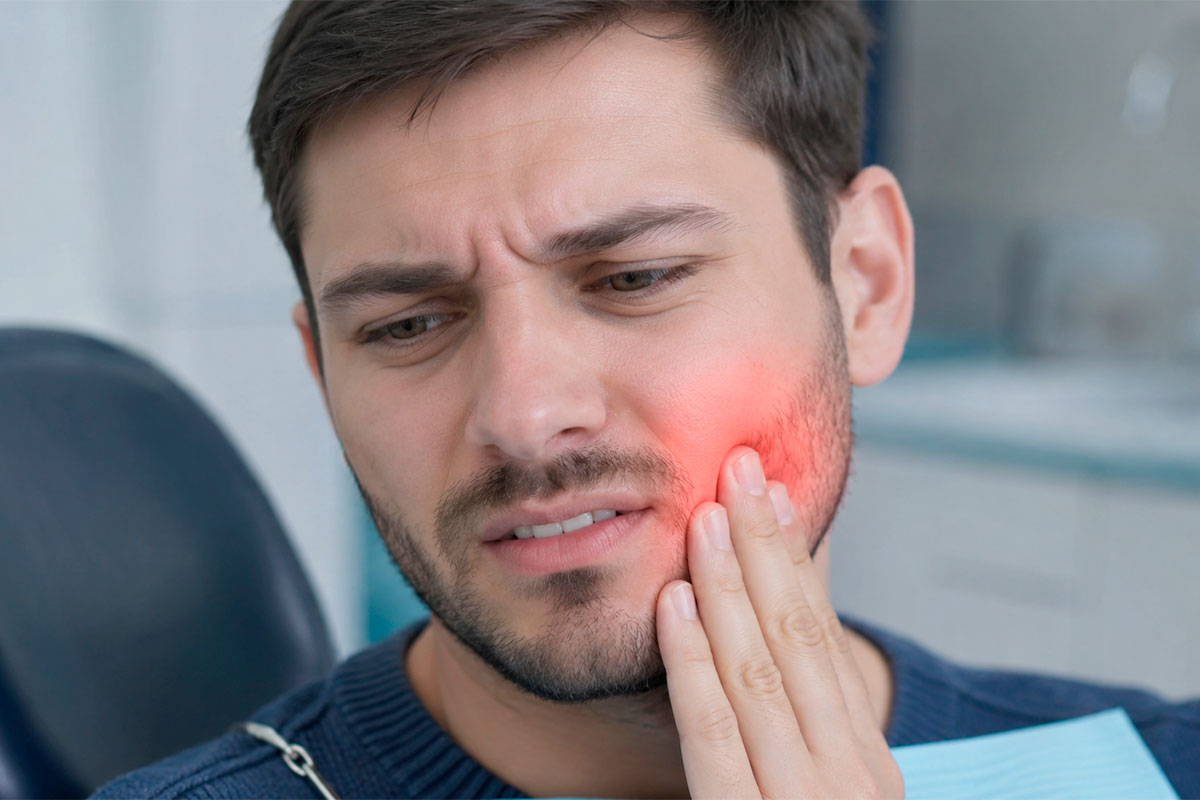
Dental pain has a way of disrupting everything. A toothache that seemed manageable in the morning can become intense by evening, while swelling, a fractured tooth, or an unexpected dental injury can create uncertainty about what to do next. In these situations, making the correct decision matters more than simply finding temporary relief.
Finding an emergency dentist Orlando 2026 patients can turn to becomes especially important when pain, infection, trauma, or structural damage begins interfering with eating, sleeping, speaking, or normal daily activities. The priority should be determining what is causing the symptoms and whether the condition requires immediate dental treatment or a different level of medical care.
This distinction matters in the United States. The American Dental Association (ADA) reports more than two million hospital emergency department visits for dental pain each year. Hospital emergency departments can address certain immediate medical concerns, but many do not have dentists available to provide definitive treatment for the dental condition responsible for the pain.
What Counts as a Dental Emergency in 2026?
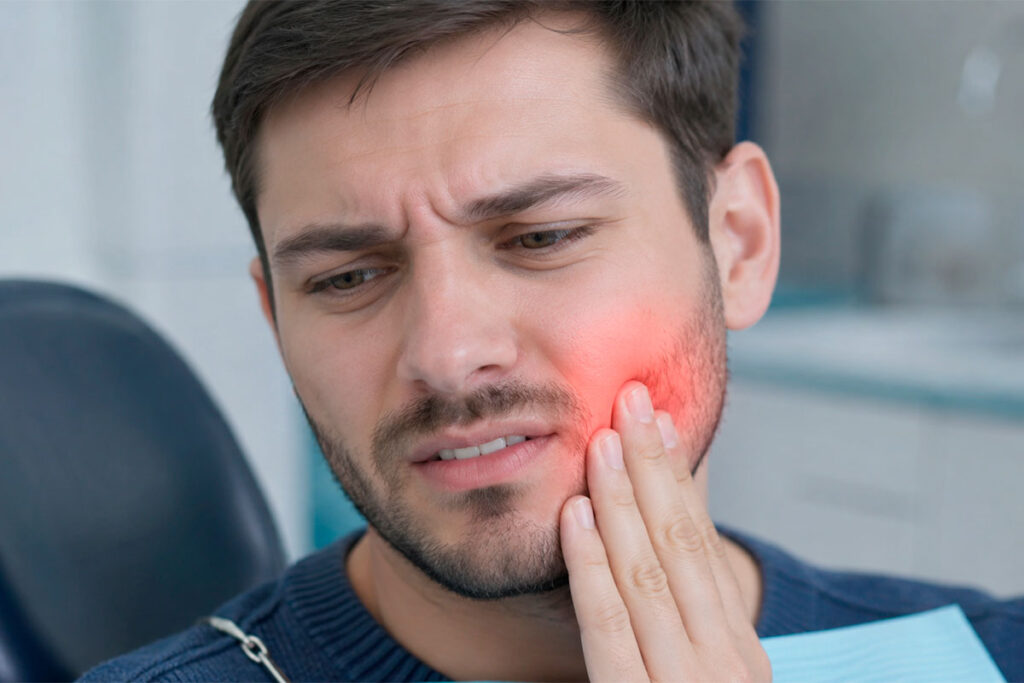
Not every uncomfortable dental problem carries the same urgency. Mild sensitivity that has remained unchanged for several weeks is different from rapidly increasing facial swelling, uncontrolled bleeding, severe pain, or trauma involving a tooth. Determining urgency requires considering the symptoms, how quickly they developed, and whether the patient’s general health is being affected.
The ADA describes dental emergencies as potentially life-threatening situations requiring immediate treatment, including uncontrolled bleeding, diffuse bacterial infection with intraoral or extraoral swelling that may compromise the airway, and facial trauma that can affect the airway. Urgent dental care also encompasses conditions requiring prompt attention to relieve severe pain or reduce the risk of infection.
Symptoms that deserve particular attention include:
- Severe or persistent tooth pain, especially when it becomes difficult to sleep, chew, or function normally.
- Swelling involving the gums, jaw, or face, particularly when accompanied by fever, malaise, drainage, or rapidly increasing inflammation.
- Dental trauma such as a knocked-out, displaced, badly fractured, or severely damaged tooth, as well as bleeding that is difficult to control.
These signs do not identify the diagnosis by themselves. Similar symptoms can result from different conditions, which is precisely why professional evaluation is important.

Severe Tooth Pain: The Cause Matters More Than the Pain Score
A severe toothache is a symptom rather than a diagnosis. Pain can originate from inflammation inside the tooth, deep decay, infection around a root, a fracture, trauma, periodontal disease, or another oral condition. Two patients describing similar levels of pain may ultimately require very different treatments.
The characteristics of the discomfort can provide useful diagnostic information. Sensitivity to temperature, pain when biting, spontaneous throbbing, swelling, tenderness or a sudden change following trauma can help the dentist understand which structures require closer evaluation. Clinical examination and dental imaging may then be used when indicated to investigate the source.
Temporary pain control can make the situation more manageable, but it does not repair damaged tooth structure or eliminate the underlying source of many dental conditions. Current ADA guidance on acute dental pain emphasizes evidence-based pain management while definitive dental care addresses the underlying problem.
Dental Abscess and Swelling: When Waiting Can Become Dangerous
Dental infections deserve particular attention because their behavior can change. A localized infection may initially produce pain or swelling around a tooth, while a progressing infection can involve surrounding tissues and produce systemic symptoms. The appearance of fever, malaise, rapidly expanding swelling, or difficulty swallowing or breathing changes the level of concern.
An abscess cannot be properly evaluated by pain intensity alone. The dentist needs to identify its source and determine whether treatment such as endodontic therapy, drainage, extraction, or another intervention is clinically appropriate. Treatment depends on the diagnosis and condition of the affected tooth rather than on a universal emergency protocol.
Difficulty breathing, signs of airway compromise, uncontrolled bleeding, or rapidly spreading facial or neck swelling should not be treated as an ordinary dental appointment. Potentially life-threatening situations require immediate emergency medical attention; the ADA advises patients experiencing a life-threatening emergency to call 911 or go immediately to the nearest hospital emergency department.
Why Antibiotics Are Not the Automatic Answer to Dental Pain
A common misconception is that antibiotics are the primary treatment whenever dental pain or swelling appears. Current evidence is more specific. For most pulpal and periapical dental conditions in immunocompetent adults, the ADA recommends prioritizing definitive dental treatment rather than routinely prescribing systemic antibiotics.
Depending on the diagnosis, definitive treatment may involve procedures such as pulpotomy, pulpectomy, nonsurgical root canal treatment, or incision and drainage. The ADA guidance identifies systemic involvement, including signs such as fever or malaise, as an important circumstance in which antibiotic therapy may become appropriate alongside urgent dental management.
This remains particularly relevant in 2026. An ADA Council on Scientific Affairs statement published in August reinforced evidence-based antibiotic prescribing and warned against «just-in-case» systemic antibiotic use for dental pain or localized infections without systemic involvement. The clinical objective is to treat the condition appropriately while avoiding medication that provides little benefit for the specific situation.
Broken, Cracked or Knocked-Out Teeth: Time Matters
Dental trauma presents a different challenge because the tooth may have sustained damage that is not completely visible. A fracture can involve enamel and dentin, extend toward the dental pulp, or continue beneath the gumline. An impact can also damage supporting tissues even when the tooth initially appears relatively intact.
A knocked-out permanent tooth is particularly time-sensitive. Immediate professional guidance is important because the condition of the tooth and the time outside the mouth can influence management. Patients should avoid scrubbing the root or attempting improvised repairs and should seek urgent professional care.
During the first moments after dental trauma:
- Handle a knocked-out permanent tooth by the crown rather than the root and seek immediate dental guidance; never attempt to reinsert a knocked-out baby tooth.
- Avoid chewing with a fractured or damaged tooth until it has been professionally evaluated, particularly if biting causes pain or movement.
- If bleeding is present, apply gentle pressure with clean gauze; uncontrolled bleeding or serious facial trauma requires emergency medical evaluation.
The objective is to protect the affected structures while obtaining appropriate professional care rather than attempting to determine the extent of damage at home.

Emergency Dentist or Hospital ER: Where Should You Go?
The correct destination depends on what is happening. A dentist is generally equipped to diagnose and definitively treat problems originating from teeth and surrounding oral structures. A hospital emergency department becomes essential when symptoms suggest a potentially life-threatening medical emergency or injuries extend beyond routine dental management.
This distinction helps explain why the ADA has worked to redirect appropriate dental cases from hospital emergency departments toward dental care. Emergency departments can provide pain relief and manage certain infections, but many hospitals lack dentists who can perform definitive dental procedures. The underlying tooth problem may therefore remain unresolved.
For Orlando patients, the practical question is therefore not simply «How much does it hurt?» A more useful question is whether there are signs of airway compromise, serious facial trauma, uncontrolled bleeding or systemic deterioration. Those warning signs warrant immediate emergency medical care rather than waiting for a dental office appointment.
Dr. Pedro Ramírez and a Diagnosis-First Approach at Nuvo Dental
At Nuvo Dental, Dr. Pedro Ramírez approaches urgent dental problems by connecting the patient’s symptoms with clinical findings before establishing a treatment plan. Severe pain by itself does not reveal whether the origin is pulpal, periodontal, structural, infectious, or traumatic, making professional diagnosis an essential part of emergency care.
The objective is to determine what can be preserved, what requires immediate intervention, and what treatment will provide an appropriate path toward stable oral health after the acute episode has been controlled. Patients can learn more about Dr. Pedro Ramírez’s professional background.
For someone experiencing a Dental Emergency in Orlando, this diagnosis-first philosophy provides something that temporary symptom management cannot: a clinical explanation of the problem and a defined next step. Nuvo Dental can therefore serve patients who need urgent evaluation while maintaining continuity between emergency management and the restorative care that may follow.
Conclusion
Dental emergencies rarely occur at convenient times, and waiting for pain to become unbearable is not a useful measure of severity. Increasing swelling, trauma, persistent severe pain, damaged teeth and signs of infection deserve timely evaluation because earlier diagnosis can expand the treatment options available in some clinical situations.
For patients evaluating an emergency dentist Orlando 2026 can rely on, Nuvo Dental offers an approach centered on identifying the source of the problem before determining treatment. That distinction matters: emergency dentistry should provide a pathway from uncertainty and discomfort toward diagnosis, appropriate intervention, and long-term oral stability.
If symptoms suggest a potentially life-threatening condition—particularly difficulty breathing, airway-threatening swelling, major facial trauma or uncontrolled bleeding—seek immediate emergency medical assistance rather than waiting for a dental appointment. When the problem requires urgent dental diagnosis and treatment, contacting Nuvo Dental can be the next appropriate step toward resolving the underlying condition.
If you’re interested in our services, you can schedule an appointment with us right now and take the first step toward better dental health.
FAQS
What should I do if I break a tooth but it does not hurt?
A painless fracture can still affect enamel, dentin, an existing restoration, or deeper structures. Avoid using the damaged tooth for hard chewing and arrange a dental evaluation rather than waiting for pain to appear, because the extent of a fracture cannot always be determined from symptoms alone.
Can antibiotics cure a dental abscess?
Antibiotics are not a substitute for definitive dental treatment in many pulpal and periapical conditions. ADA guidance recommends prioritizing dental procedures for most of these problems in immunocompetent adults, with antibiotics becoming appropriate in specific situations such as systemic involvement.
Is facial swelling from a tooth an emergency?
It can be. Localized swelling requires prompt dental assessment, while rapidly progressing swelling, fever, malaise, difficulty swallowing, or breathing problems may indicate a more serious condition. Swelling that threatens the airway requires immediate emergency medical care.
Should I go to the ER for severe tooth pain?
Severe tooth pain without life-threatening symptoms often requires evaluation by a dentist because definitive treatment may involve the tooth itself. If pain occurs with difficulty breathing, rapidly spreading swelling, major facial trauma, uncontrolled bleeding, or another potentially life-threatening symptom, seek hospital emergency care immediately.
What qualifies as a dental emergency?
A dental problem becomes urgent when it involves severe pain, infection risk, significant trauma, uncontrolled oral bleeding, or another condition requiring prompt professional management. Potentially life-threatening swelling, airway compromise, uncontrolled bleeding and serious facial trauma require immediate emergency medical attention.