
Dental Implant Center Locations Near Me
Replacing a missing tooth is an important decision, and for many people, dental implants represent the closest solution to restoring the appearance, function, and confidence of a natural smile. By the time someone begins comparing dental implant center locations near me, they have often moved beyond asking whether implants are the right choice. Their focus has shifted toward something even more important: finding a dental team capable of delivering predictable, long-term results.
While convenience and location may influence the initial search, proximity alone should never determine where implant treatment is performed. Dental implants are highly personalized restorations that require careful diagnosis, detailed planning, and an understanding of how every component of the patient’s oral health works together. The quality of these early stages often has a greater impact on success than the surgical procedure itself.
Modern implant dentistry is built on precision. Every patient’s anatomy, bone structure, bite relationship, and aesthetic expectations are different, making individualized treatment planning essential. Choosing a practice that follows a comprehensive diagnostic process provides greater confidence that every clinical decision is based on evidence rather than assumptions.
Why Choosing the Right Implant Center Matters
The success of a dental implant cannot be measured simply by whether it integrates with the jawbone. A successful outcome should restore comfortable chewing, maintain healthy surrounding tissues, preserve facial structure, and create a restoration that feels natural during everyday activities.
These outcomes depend on far more than technical skill during surgery.
Each phase of treatment contributes to the final result, beginning with diagnosis and continuing through planning, implant placement, restoration, and long-term maintenance. Selecting a practice that approaches implant dentistry as a complete restorative process rather than an isolated procedure often leads to more predictable outcomes.
Patients frequently compare several dental implant center locations near me, evaluating reviews, office locations, and available services. While these factors may be helpful, understanding how the practice plans treatment offers a much clearer picture of the quality of care that can be expected.

What Makes a Dental Implant Center Different?
Many dental offices provide implant services, yet the approach to diagnosis and treatment planning can vary considerably.
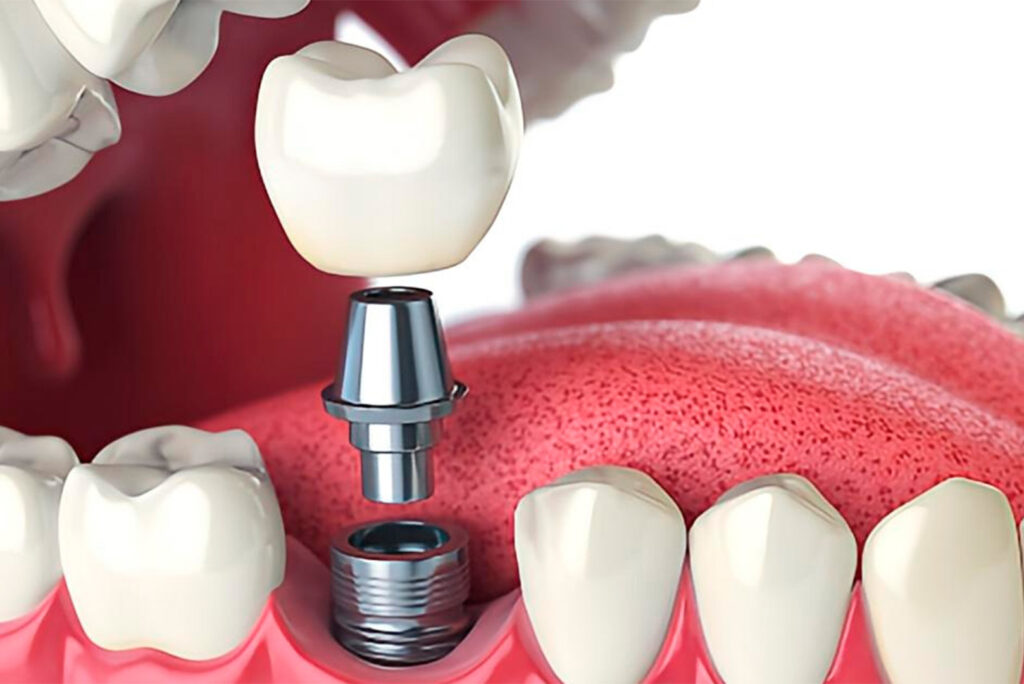
A center focused on implant dentistry views every case as a comprehensive rehabilitation rather than a single procedure. The objective extends beyond replacing a missing tooth. It includes restoring proper function, protecting neighboring teeth, maintaining bone stability, and achieving natural aesthetics that complement the patient’s smile.
Several components contribute to this comprehensive approach:
- Comprehensive clinical evaluation before treatment recommendations.
- Advanced diagnostic imaging to support accurate planning.
- Personalized restorative design based on each patient’s anatomy and functional needs.
These elements create the foundation upon which successful implant therapy is built.
Rather than relying on standardized treatment protocols, clinicians evaluate each patient’s existing oral condition to determine the most appropriate sequence of care.
The Importance of Comprehensive Diagnosis
Implant treatment begins with understanding the complete oral environment.
A missing tooth affects more than appearance. Over time, surrounding teeth may begin to shift, the opposing tooth may change position, chewing efficiency can decrease, and the jawbone may gradually lose volume in the area where the natural tooth once existed.
These biological changes are unique to every patient.
For this reason, diagnosis should include a detailed assessment of bone availability, gum health, bite function, existing restorations, medical history, and long-term restorative goals before treatment recommendations are made.
This comprehensive evaluation provides the information necessary to determine whether additional procedures may improve treatment outcomes and helps establish realistic expectations for every stage of care.
Digital Technology That Supports Implant Planning
Contemporary implant dentistry benefits from diagnostic technologies that provide a level of precision unavailable only a few years ago.
Digital radiographs allow clinicians to evaluate bone levels, adjacent teeth, previous dental work, and anatomical structures with remarkable clarity while minimizing radiation exposure.
When clinically indicated, Cone Beam Computed Tomography (CBCT) offers a three-dimensional view of the patient’s anatomy. This technology helps evaluate bone height, width, density, nerve pathways, sinus anatomy, and other structures that influence implant planning.
Rather than estimating implant position, clinicians can use this detailed information to develop a treatment plan based on the patient’s unique anatomy.
Digital planning also improves communication between diagnosis and restorative design, allowing every phase of treatment to follow a carefully coordinated strategy.
Personalized Planning Creates Predictable Results
Every smile presents a different combination of functional and aesthetic considerations.
An implant that appears well-positioned on an X-ray may still require adjustments if it does not support proper bite function or blend naturally with surrounding teeth.
For this reason, successful planning considers multiple clinical factors simultaneously, including smile symmetry, occlusion, periodontal health, facial proportions, and restorative objectives.
According to Dr. Pedro Ramírez, implant treatment should always begin with understanding the patient’s complete oral condition rather than focusing exclusively on replacing a missing tooth. Careful diagnosis allows clinicians to develop treatment plans that preserve healthy tissues whenever possible while supporting durable, functional, and aesthetic outcomes over time.
Dr. Pedro Ramírez leads every treatment planning process from a restorative perspective, ensuring that each recommendation reflects the patient’s long-term needs instead of simply addressing the immediate absence of a tooth. His commitment to evidence-based dentistry and personalized care reinforces Nuvo Dental’s comprehensive philosophy. Patients interested in learning more about his professional experience can visit his LinkedIn profile: https://www.linkedin.com/in/pedro-ramirez-515a4015a/.
This methodical approach helps transform implant treatment into a carefully coordinated rehabilitation process designed around each individual rather than a standardized surgical procedure.
Bone Health: A Critical Factor for Implant Success
Healthy bone provides the biological support that allows dental implants to remain stable for many years.
Following tooth loss, the jawbone naturally begins to remodel because it no longer receives stimulation from the missing tooth root. Over time, this process may reduce both the height and width of the bone, influencing future restorative options.
Evaluating bone quality is therefore one of the most important aspects of implant planning.
Advanced diagnostic imaging enables clinicians to determine whether adequate bone is available to support an implant in the ideal position. If additional treatment is recommended, planning can be adjusted before surgery begins rather than making compromises during the procedure itself.
This proactive approach improves precision while helping preserve surrounding anatomical structures.
Patients often associate implant treatment exclusively with surgery. In reality, the biological condition of the supporting bone frequently determines the long-term stability of the restoration.
Restorative Planning Is Just as Important as Implant Placement
A successful implant is measured by much more than osseointegration
The final restoration should function comfortably, distribute chewing forces appropriately, harmonize with neighboring teeth, and complement the patient’s smile.
For this reason, restorative planning begins before implant placement.
The clinician evaluates tooth position, smile line, gum contours, occlusion, available restorative space, and facial proportions to determine the ideal location for the implant. Planning from the final restoration backward helps ensure that every surgical decision supports both function and aesthetics.
This restorative-driven philosophy reduces unnecessary compromises and contributes to outcomes that feel natural during speaking, chewing, and smiling.
At Nuvo Dental, every implant treatment follows this comprehensive planning sequence so that surgical precision aligns with long-term restorative objectives.
Conclusion
Reaching the stage where you begin comparing dental implant center locations near me often means you are ready to make a lasting investment in your oral health.
The quality of implant treatment depends on much more than the procedure itself. Comprehensive diagnosis, digital imaging, evaluation of bone health, personalized restorative planning, and long-term follow-up all play essential roles in achieving predictable outcomes.
Choosing a provider that approaches implant dentistry through careful planning rather than standardized treatment protocols provides greater confidence that every recommendation is based on your individual needs.
At Nuvo Dental, implant therapy begins with understanding the complete clinical picture. Through advanced diagnostic technology, evidence-based treatment planning, and the clinical leadership of Dr. Pedro Ramírez, each patient receives a personalized roadmap designed to restore function, preserve healthy oral structures, and support long-term smile stability.
If you’re interested in our services, you can schedule an appointment with us right now and take the first step toward better dental health.
FAQS
Why does implant planning begin before surgery?
Successful implant treatment is planned around the final restoration rather than the surgical procedure alone. Evaluating smile aesthetics, bite function, bone anatomy, and restorative space before surgery helps create results that are stable, comfortable, and natural in appearance.
How long do dental implants last?
Dental implants are designed to provide long-term tooth replacement. Their longevity depends on careful treatment planning, proper placement, good oral hygiene, regular professional maintenance, and the patient’s overall oral health.
Can everyone receive a dental implant?
Many patients are candidates for dental implants, although eligibility depends on several factors including oral health, bone availability, periodontal condition, medical history, and overall treatment goals. A comprehensive evaluation determines the most appropriate treatment approach for each individual.
Why is CBCT imaging important before dental implant placement?
CBCT produces a three-dimensional view of the jaw that allows clinicians to evaluate bone volume, density, nerve pathways, and surrounding anatomical structures. This information improves treatment planning and supports accurate implant positioning when clinically indicated.
What should I look for when comparing dental implant center locations near me?
The most important factors include comprehensive diagnosis, advanced imaging technology, personalized treatment planning, clinical experience, restorative expertise, and long-term follow-up. Selecting a provider based solely on proximity may overlook aspects that significantly influence the success of implant treatment.