

I Want to Fix My Teeth
That decision is rarely about correcting a single tooth. More often, it reflects years of accumulated dental problems that may include fractured teeth, missing teeth, worn restorations, discoloration, spacing, or structural damage. While every patient arrives with a different story, they usually share the same objective: restoring a healthy smile that feels comfortable, looks natural, and functions properly.
Modern dentistry offers remarkable possibilities for rebuilding smiles, but successful treatment never begins by selecting a procedure. It begins with understanding the patient. Every smile has unique anatomical characteristics, functional requirements, and aesthetic goals that deserve careful evaluation before any recommendation is made.
At Nuvo Dental, smile rehabilitation is approached through comprehensive diagnosis, digital planning, and personalized treatment strategies designed to restore oral health while respecting the individuality of every patient.

Every Smile Has a Different Story
No two patients require exactly the same treatment.
Someone with a chipped front tooth may benefit from a completely different solution than someone who has lost multiple teeth over the years. Likewise, a patient with worn enamel caused by grinding requires a different approach than someone whose primary concern is cosmetic discoloration.
For this reason, the desire behind «I want to fix my teeth» should never be interpreted as a request for one specific procedure. Instead, it should be understood as an opportunity to identify the underlying causes affecting both oral health and smile aesthetics.
Rather than focusing exclusively on visible imperfections, modern restorative dentistry evaluates the complete condition of the mouth before recommending treatment.
The First Step Is Always a Comprehensive Diagnosis
One of the biggest mistakes in cosmetic and restorative dentistry is beginning treatment before fully understanding the patient’s condition.
A successful rehabilitation starts with gathering detailed clinical information.
At Nuvo Dental, the diagnostic process is designed to evaluate every factor that may influence long-term treatment success. This structured methodology allows treatment recommendations to be based on clinical evidence rather than assumptions.
The evaluation typically includes:
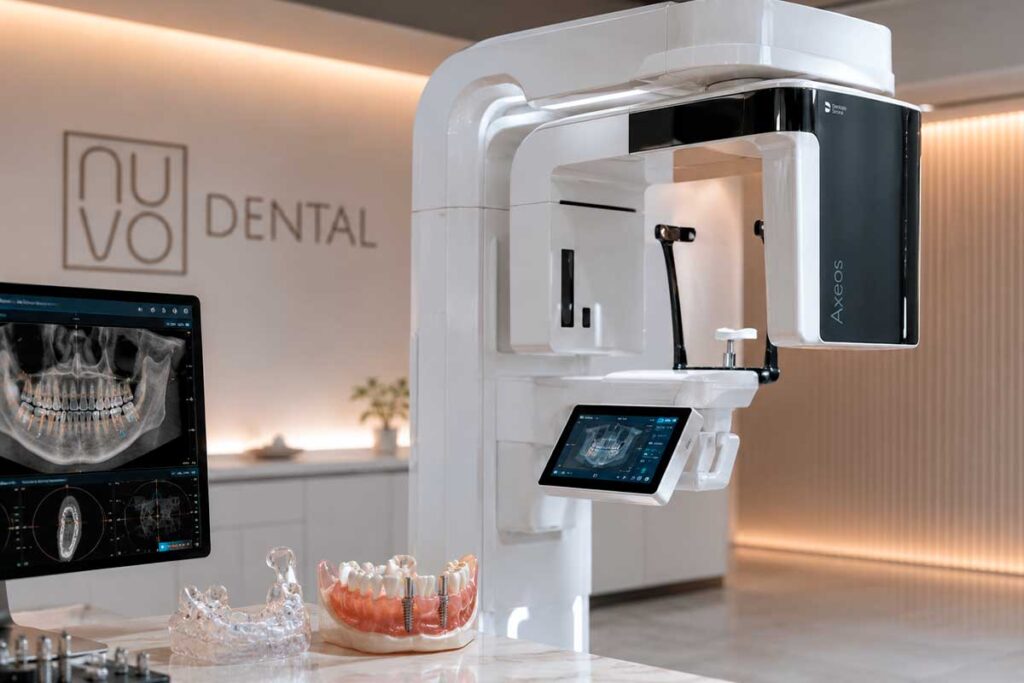
- Clinical examination, digital imaging, and CBCT when additional anatomical information is necessary.
- Bite analysis to understand how teeth function together during chewing and speaking.
- Facial and smile evaluation to ensure that aesthetics and function develop in harmony.
This comprehensive approach often reveals factors that patients cannot see themselves, allowing treatment plans to address current concerns while helping prevent future complications.
Looking Beyond Cosmetic Improvements
Many people initially believe fixing their teeth simply means achieving a brighter smile.
In reality, aesthetics represent only one component of comprehensive dental rehabilitation.
Healthy teeth must withstand daily chewing forces, maintain stable bite relationships, protect surrounding tissues, and support long-term oral health. Cosmetic improvements become significantly more valuable when they are built upon a stable biological foundation.
This philosophy explains why comprehensive diagnosis always precedes treatment planning.
Addressing structural issues before cosmetic concerns frequently produces better long-term results and reduces the likelihood of future complications.
When Restoring a Smile Requires More Than One Treatment
Patients are often surprised to learn that comprehensive smile rehabilitation rarely depends on a single procedure. Instead, successful treatment frequently combines different restorative and aesthetic disciplines working together toward a common objective.
For example, a patient with missing teeth, fractured restorations, and cosmetic concerns may benefit from integrating Dental Implants in Florida, Dental Crowns, and carefully planned Cosmetic Dental Services into one coordinated treatment strategy.
Rather than treating each problem independently, this comprehensive approach focuses on rebuilding the smile as a complete system. The result is greater functional stability, improved aesthetics, and treatment outcomes that remain predictable over the long term.
Restoring Confidence Begins With Understanding the Cause
Many patients postpone treatment because they believe their dental problems are too extensive or too complicated.
Modern dentistry has changed that perception…
Advances in diagnostics, restorative materials, digital workflows, and interdisciplinary planning now allow clinicians to manage cases that would have required much more invasive treatment in the past. The goal is no longer simply repairing damaged teeth.
The objective is understanding why those problems developed, addressing their underlying causes, and creating a personalized plan that supports long-term oral health. This philosophy helps patients move beyond temporary fixes toward comprehensive solutions designed specifically for their needs.

How Modern Dentistry Makes Smile Restoration More Predictable
One of the greatest advances in dentistry has been the ability to plan treatments before they begin. Years ago, many restorative procedures relied heavily on clinical experience alone. Today, digital technologies provide a much clearer understanding of each patient’s anatomy, allowing treatments to be designed with greater precision and predictability.
Digital photography, intraoral scanning, digital radiography, and CBCT imaging—when clinically indicated—allow dentists to evaluate teeth, supporting bone, soft tissues, and bite relationships in remarkable detail. These diagnostic tools make it possible to identify potential challenges early in the planning process rather than discovering them during treatment.
This modern approach benefits patients in several ways. Treatment becomes more personalized, communication improves because patients can better understand their clinical condition, and the final outcome is designed around long-term oral health rather than short-term cosmetic improvements.
For individuals who reach the point of thinking, «I want to fix my teeth,» this level of planning provides reassurance that every recommendation is based on careful analysis instead of assumptions.
Dental Crowns: Protecting Teeth That Can Still Be Preserved
Many patients who want to improve their smiles still have teeth that can be successfully preserved despite extensive damage.
When a tooth has been weakened by fractures, large restorations, or significant wear, Dental Crowns often provide an effective solution. A custom-made crown surrounds the remaining healthy structure, restoring strength while improving appearance and chewing function.
Rather than removing a compromised tooth unnecessarily, preserving it with a properly designed crown frequently offers significant long-term benefits. Maintaining natural teeth whenever clinically appropriate remains one of the core principles of restorative dentistry.
Because crowns are individually fabricated, they can blend naturally with surrounding teeth while supporting both function and aesthetics.
Cosmetic Dentistry as the Final Stage of Smile Rehabilitation
Many people associate cosmetic dentistry with dramatic aesthetic changes. In reality, the best cosmetic results are often the ones that appear effortless.
Once oral health and structural stability have been restored, Cosmetic Dental Services can refine the smile by improving symmetry, proportions, color, and overall facial harmony.
Rather than creating identical smiles for every patient, cosmetic dentistry should enhance each person’s natural features while respecting facial characteristics and individual preferences.
At Nuvo Dental, cosmetic treatment is viewed as the final step in a comprehensive rehabilitation process whenever it is clinically appropriate. This philosophy helps ensure that beautiful results are supported by healthy foundations.
Conclusion
The thought «I want to fix my teeth» often represents the beginning of a meaningful transformation rather than a request for a single dental procedure.
Modern dentistry offers multiple ways to restore damaged, worn, or missing teeth, but the most successful results begin with comprehensive diagnosis and personalized planning. Every smile deserves an individualized approach that considers oral health, facial harmony, functional stability, and long-term durability.
At Nuvo Dental, comprehensive evaluations allow treatment plans to integrate procedures such as Dental Crowns, Dental Implants in Florida, and Cosmetic Dental Services whenever they are clinically appropriate. The objective is never simply improving appearance. It is restoring confidence through healthy, functional, and naturally beautiful smiles designed to last for years.
If you’re interested in our services, you can schedule an appointment with us right now and take the first step toward better dental health.
FAQS
Can several dental problems be treated at the same time?
Yes. Comprehensive dentistry often combines different procedures into a coordinated rehabilitation plan. Depending on your clinical condition, treatments may include crowns, dental implants, cosmetic procedures, or other restorative solutions designed to work together.
How do dentists decide which treatment is right for me?
Treatment recommendations are based on multiple factors, including the condition of your teeth, gum health, bone structure, bite alignment, facial characteristics, and long-term functional objectives. Every patient requires an individualized evaluation because no two smiles present the same clinical situation.
When are dental crowns recommended?
Dental crowns are commonly recommended when a tooth has been weakened by fractures, extensive decay, large fillings, or significant wear but still has enough healthy structure to be preserved. A crown restores strength while improving appearance and protecting the remaining tooth.
Why are dental implants considered a long-term solution?
Dental implants replace both the root and the visible portion of a missing tooth. This allows them to restore chewing function, support jawbone health, and provide stability that closely resembles natural teeth. With proper maintenance, they can remain functional for many years.
Does cosmetic dentistry always involve veneers?
No. Cosmetic dentistry includes a wide range of treatments designed to improve smile aesthetics. Depending on the patient’s needs, treatment may involve whitening, bonding, crowns, contouring, veneers, or a combination of procedures that create balanced and natural-looking results.